

After nearly five years of persistent advocacy and policy recommendations, VASEP and the seafood business community are pleased to welcome a major positive development: seafood processing activities have now been officially recognized and granted Corporate Income Tax (CIT) exemption incentives under Decree No. 320/2025/ND-CP, issued on December 15, 2025.
This achievement is the result of close coordination and constructive dialogue between the Ministry of Finance and the business community, along with timely support from the Government and relevant ministries. These efforts have successfully transformed guidance documents and recommendations into high-level legal regulations, delivering tangible benefits to thousands of seafood processing enterprises by reducing costs, enhancing export competitiveness, and promoting the sustainable development of Vietnam’s seafood industry.

A Five-Year Journey to Resolve the “Preliminary Processing vs. Processing” Bottleneck
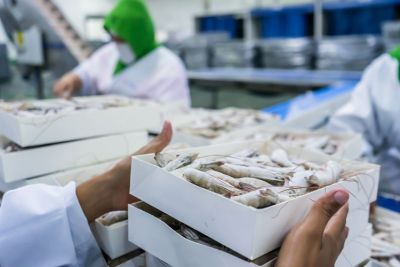
Prior to 2021, the seafood processing industry faced significant challenges due to regulatory ambiguities. Activities such as freezing fresh products to –18°C, processing fresh materials into cooked products, or mixing seasonings and additives to create value-added products were often classified as “preliminary processing,” making them ineligible for CIT incentives.
In response, VASEP proactively collaborated with the Ministry of Agriculture and Rural Development and the People’s Committee of Ca Mau Province to submit a series of official petitions to the Ministry of Finance (including Official Letters No. 104/2020/CV-VASEP dated July 30, 2020; No. 4476/BNN-TCTS dated July 2, 2020; and No. 4531/UBND-KT dated July 30, 2020).
After months of continuous discussions and advocacy from late 2020 onward, VASEP received formal consensus from the Ministry of Finance through Official Letter No. 2550/BTC-TCT dated March 12, 2021. This document marked a major milestone, clearly affirming for the first time that the following activities qualify as seafood processing:
-
Freezing fresh products to –18°C or below;
-
Processing fresh products into cooked products;
-
Processing involving the mixing of seasonings and additives to produce value-added products.
This step demonstrated the Ministry of Finance’s willingness to listen to and accommodate the legitimate concerns of businesses.
A Landmark Achievement with Decree No. 320/2025/ND-CP
Maintaining the objective of institutionalizing tax incentives into law, VASEP and the business community continued to raise this issue in numerous policy meetings and formal submissions. These persistent efforts have now yielded results, as Article 4 of Decree No. 320/2025/ND-CP officially stipulates detailed provisions on tax-exempt income for the seafood sector.
Key highlights of the Decree include:
-
Expanded scope of tax exemption: Income derived from seafood processing activities (including cases of purchasing raw materials for processing, outsourcing processing, or undertaking processing services) conducted in extremely disadvantaged areas or by cooperatives is eligible for CIT exemption.
-
Clear definition of “processed seafood products”: Under Point b2, Clause 1, Article 4, the Decree formally incorporates the standards previously set out in Official Letter No. 2550 into high-level legal regulations. Accordingly, products frozen at –18°C or below, cooked products, and value-added products with added seasonings and additives are officially recognized as processed seafood products eligible for CIT exemption.
-
Eligibility conditions: The value of seafood raw materials must account for at least 30% of the total product cost, and the product must not be subject to special consumption tax.
This unprecedented provision effectively resolves the long-standing “preliminary processing” issue faced by the industry. The inclusion of these regulations in Decree No. 320 represents not only the outcome of a five-year collective effort by the business community, but also a clear demonstration of the Government’s and the Ministry of Finance’s understanding of the unique characteristics of the seafood sector—thereby strengthening export competitiveness and fostering sustainable industry growth.