

Amid fluctuations in the global seafood market, the ASEAN region is emerging as a bright spot for Vietnam’s seafood exports. Thanks to geographical proximity, stable consumer demand, and regional trade agreements, ASEAN is becoming a highly promising market for Vietnamese seafood enterprises seeking to expand their business footprint.

ASEAN – A Nearby Market with Strong Potential
ASEAN is home to more than 680 million people, with growing demand for food products, especially seafood. In addition to domestic consumption, several countries in the region also serve as processing and re-export hubs to major markets such as the United States, Europe, and the Middle East.
With shorter shipping distances, faster transit times, and competitive logistics costs, Vietnamese seafood exporters are increasingly strengthening their presence in markets such as Thailand, the Philippines, Singapore, Malaysia, and Indonesia.
Pangasius and Shrimp Continue to Lead
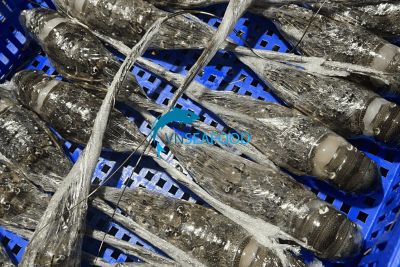
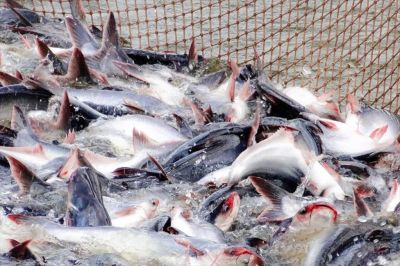
Among Vietnam’s seafood exports to ASEAN, pangasius and shrimp remain the key product categories. Frozen fillets, whole fish, processed shrimp, and value-added seafood products are becoming increasingly popular due to their consistent quality and competitive pricing.
In particular, the growing preference for convenient food products is creating additional opportunities for companies to develop ready-to-cook, ready-to-eat, and retail-friendly seafood items.
Opportunities Alongside Challenges
Despite the positive outlook, Vietnamese seafood companies continue to face increasing competition from regional suppliers such as Thailand, Indonesia, and India. Beyond pricing, ASEAN buyers are also placing higher expectations on traceability, food safety standards, quality certifications, and sustainable sourcing.
Furthermore, understanding local consumer preferences and adapting to import regulations in each country remain essential for maintaining competitiveness.
The Way Forward for Vietnamese Seafood Businesses
To fully capitalize on opportunities in ASEAN, Vietnamese seafood exporters should continue improving product quality, optimizing production costs, and developing products tailored to the specific needs of each market.
At the same time, strengthening brand reputation, ensuring reliable delivery schedules, and expanding partnerships with regional distributors will play a critical role in increasing market share.
With strong market demand and Vietnam’s existing competitive advantages, ASEAN is expected to remain one of the key growth destinations for the country’s seafood industry in the years ahead.