

U.S. Tariff Pressure Creates New Challenges and Opportunities for Vietnamese Pangasius
Vietnamese pangasius exports to the United States are facing a more challenging market environment in 2026, as cautious purchasing behavior, higher trade costs, and changes in U.S. tariff policy weigh on demand.
During the first seven months of 2026, Vietnam's pangasius exports to the U.S. reached approximately US$189 million, down 8% year on year. July exports were around US$22 million, representing a sharper 28% decline compared with the same month in 2025.
The weaker performance reflects a combination of cautious inventory management by U.S. importers and continued uncertainty surrounding trade policy.
U.S. Importers Remain Cautious
Since the beginning of the year, U.S. demand for Vietnamese pangasius has remained relatively subdued.
Import activity has been concentrated in certain months rather than showing consistent growth throughout the year. In an uncertain cost environment, buyers have tended to avoid building excessive inventories and have been more cautious when committing to large purchase volumes.
This behavior is particularly relevant for frozen seafood, where inventory costs, selling prices, tariffs, and delivery schedules can significantly affect purchasing decisions.
For Vietnamese suppliers, the result is a market where price competitiveness and supply flexibility are becoming increasingly important.
Higher Trade Costs Add Further Pressure
The U.S. market has become more challenging following changes to trade and anti-dumping measures affecting Vietnamese seafood.
The latest POR21 results increased anti-dumping duty rates for several Vietnamese pangasius exporters compared with preliminary rates. Companies without an applicable separate rate may face the broader U.S. duty rate, increasing the cost pressure on shipments.
In addition, Vietnamese seafood exports to the United States became subject to an additional 12.5% Section 301 tariff from July 24, 2026. Because of the time lag between contracts, shipment, and customs clearance, the full effect of this additional tariff is expected to become more visible in shipments from August onward.
Together, these developments make the U.S. market more difficult for exporters whose products compete primarily on price.
Pangasius Still Has an Opportunity in the Whitefish Market
Despite the challenges, the U.S. market still offers opportunities for Vietnamese pangasius.
One factor supporting the species is the changing supply outlook for traditional whitefish. Restrictions and quota adjustments affecting species such as cod and Alaska pollock can create periods of tighter supply and higher prices.
This could increase interest in alternative whitefish products that can offer competitive pricing and consistent availability.
Pangasius has several characteristics that can support this positioning:
- Stable aquaculture-based supply
- Competitive pricing
- Consistent product specifications
- Flexible processing options
- Wide range of frozen fillet formats
- Suitability for retail and foodservice applications
However, the opportunity is not automatic. U.S. buyers also have other alternatives, including tilapia, which is becoming increasingly competitive in the whitefish segment.
Competition from Tilapia Is Increasing
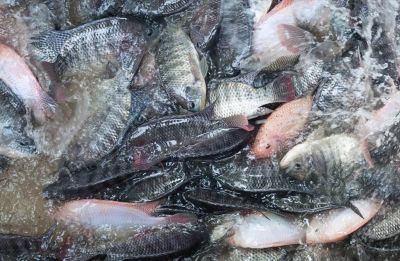
The U.S. market is becoming more diversified, with tilapia strengthening its position as another affordable whitefish alternative.
For pangasius exporters, this means that supply shortages in cod or pollock alone will not guarantee additional demand.
Vietnamese suppliers will need to demonstrate a clear value proposition through a combination of:
Price + quality + consistency + supply reliability + service.
Products that provide predictable specifications and dependable delivery can be particularly valuable to U.S. buyers managing tight inventories and uncertain market conditions.
Product Value Could Become More Important
Higher tariffs and anti-dumping duties make price-based competition more difficult.
This could encourage Vietnamese exporters to place greater emphasis on value-added pangasius products rather than relying exclusively on conventional commodity fillets.
Potential areas include:
- Portion-controlled fillets
- Customized sizes
- Ready-to-cook products
- Value-added processing
- Retail-ready packaging
- Foodservice specifications
- Consistent glazing and net-weight standards
Product differentiation can help exporters compete on more than the lowest selling price and potentially reduce the impact of higher trade costs.
Diversifying Export Markets Is Becoming More Important
The U.S. remains an important destination for Vietnamese pangasius, but its weaker performance in 2026 highlights the importance of maintaining a diversified export portfolio.
Vietnam's overall pangasius exports reached approximately US$1.3 billion during the first seven months of 2026, up around 10% year on year, despite the decline in the U.S. market. Growth has been supported by other destinations, particularly China and several CPTPP markets.
This suggests that Vietnamese pangasius continues to have international demand, even as individual markets experience temporary or structural challenges.
For exporters, maintaining a balanced portfolio across Asia, Europe, the Americas, and other markets can help reduce exposure to sudden changes in tariffs, regulations, or purchasing behavior in any single destination.
Outlook for Vietnamese Pangasius in the U.S.
The U.S. market is likely to remain challenging in the near term.
Higher trade costs, anti-dumping duties, and cautious inventory management could limit demand growth. At the same time, the evolving whitefish supply landscape creates an opportunity for pangasius to position itself as a reliable and competitively priced alternative.
The key will be how exporters respond.
Rather than relying solely on lower prices, Vietnamese pangasius suppliers can strengthen their position through consistent quality, flexible specifications, traceable supply, value-added processing, and reliable delivery.
Conclusion
Vietnamese pangasius is facing greater pressure in the U.S. market as tariff uncertainty and higher trade costs affect purchasing decisions. The 8% decline in exports during the first seven months of 2026 highlights the difficulty of the current environment.
Nevertheless, the market still presents opportunities. Tightening supplies of some traditional whitefish species could support demand for affordable alternatives, while the continued growth of Vietnam's overall pangasius exports demonstrates that the product remains competitive internationally.
For Vietnamese exporters, the next stage of growth in the U.S. market may depend on moving beyond price competition and focusing on product value, supply reliability, and market diversification.