

As conflict escalates in the Middle East, its economic impacts are spreading far beyond the region. Oil shipments are slowing through the Strait of Hormuz—a narrow passage through which roughly one-fifth of the world’s oil supply passes—driving up energy prices and putting pressure on global supply chains.
What began in the energy market is now rippling across multiple sectors, as the Middle East is also a key hub for fertilizers, petrochemicals, raw materials, and food. The effects of the conflict are already becoming visible in everyday living costs. In the United States, gasoline prices have risen by more than 20% over the past month, while diesel—fuel essential for transporting food and goods—has increased by over 30%.
According to an exclusive global analysis by Rabobank, these pressures are now reshaping the seafood market, with impacts expected to intensify over time.
Surging Energy Costs
The most immediate impact is energy. Fuel is a core input across the entire seafood value chain—from offshore fishing vessels to inland aquaculture farms. In wild capture fisheries, fuel accounts for 15% to 30% of operating costs. Older, more energy-intensive fleets, such as bottom trawlers, are facing the greatest pressure, while midwater vessels and newer, more fuel-efficient fleets are relatively less affected.
Aquaculture is also under strain, as energy is required for pumping, aeration, and feeding systems. Rising fuel prices are increasing the cost of key inputs. Shrimp farming, in particular, is highly energy-intensive, especially due to the use of paddle wheels for pond aeration.
The fertilizer market—closely tied to both energy supply and the Middle East—is also tightening, pushing up feed costs and overall production expenses.
Slowing Global Trade Flows
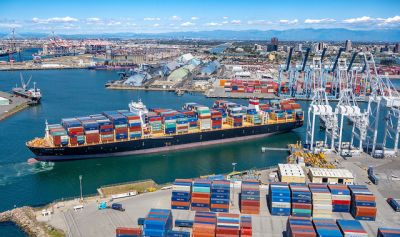
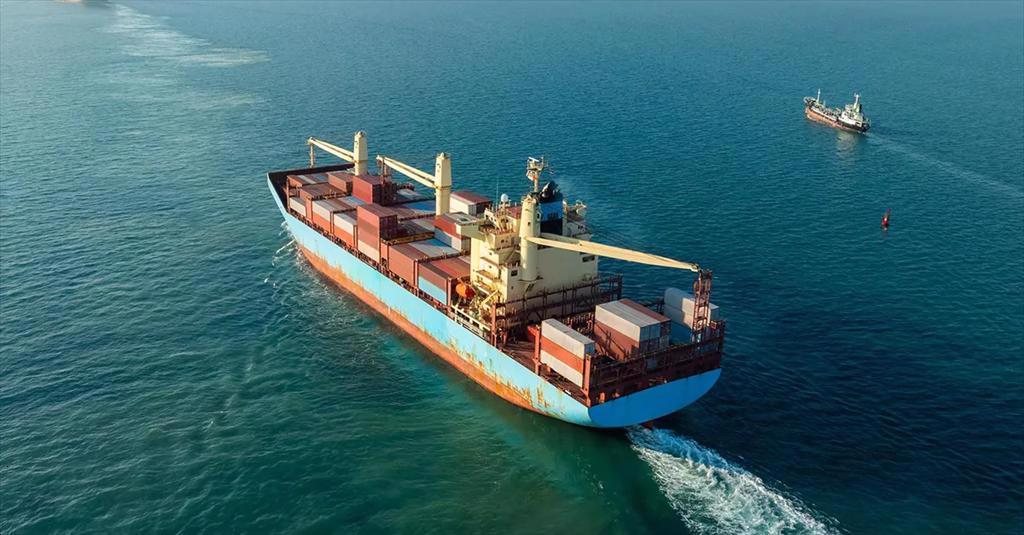
Shipping disruptions are adding further pressure. Airspace restrictions and rerouted flights are increasing both costs and transit times for seafood shipments, particularly for fresh, high-value products.
Europe exports large volumes of seafood to Asia by air—from Norway, Scotland, and the Faroe Islands. Transportation has now become significantly more expensive and less reliable, often requiring alternative routes.
For exporters, where speed and freshness are critical, these disruptions can quickly translate into higher costs or reduced market access.
As vessels take longer routes and shipping capacity becomes constrained, freight costs are likely to rise further.
Gradual and Prolonged Price Impacts
While fuel costs have surged almost immediately, the impact on seafood prices is expected to unfold more gradually, affecting the entire supply chain over time. Production cycles alone can delay these effects.
The structure of the industry means that cost increases are not passed on instantly. Instead, they tend to move step by step—from producers to processors and then to buyers—often lagging behind existing contracts.
One part of the value chain absorbs the cost pressure and passes a portion downstream. Over time, new contracts begin to reflect the full increase. Even retailers, depending on the product, may only adjust prices a few times a year, making this a long adjustment cycle.
This slow-moving process can extend the impact over several years, resulting in a more persistent but gradual rise in prices—much like a wave.
Potential Decline in Seafood Demand
Rising costs may also dampen demand. Higher fuel and food prices reduce consumers’ disposable income, particularly in price-sensitive markets. Seafood consumption typically responds quickly to such pressures.
Tourism—another key driver of seafood demand—is also expected to slow as travel becomes more expensive and less predictable. Higher airfare often leads to fewer travelers.
Overall, the combination of rising costs and weakening demand is creating a more challenging outlook for the seafood industry.
While some impacts are already visible, others are still working their way through the system—and may continue to do so for years to come.
A Shift Toward Alternative Energy?
Could sustained pressure from high fuel prices push the industry toward greater adoption of renewable energy? Historically, similar shocks have driven investment in electrification and alternative energy sources.
For the seafood sector, where fuel is a major cost component, this pressure may gradually reshape how products are harvested, farmed, and transported.
Despite ongoing uncertainty, the seafood industry has repeatedly demonstrated its ability to adapt.